Summer Course on Functional Foods and Quality Assurance
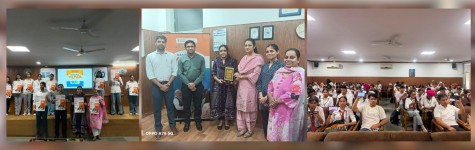
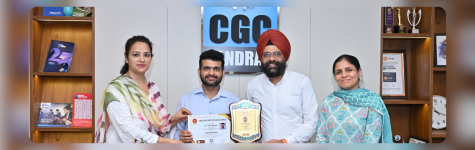
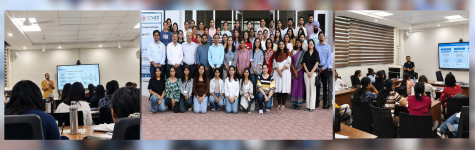
The Department of Biotechnology, Chandigarh College of Technology (CCT), TPP department, CGC Landran, in collaboration with the Punjab Biotechnology Incubator (PBTI), Mohali, successfully organized a 10-day Integrated Summer Course on “Functional Foods and Quality Assurance: Standards, Safety and Regulatory Requirements” from 09–19 June 2026. The programme offered students a comprehensive blend of theoretical learning and hands-on training in functional foods, nutraceuticals, food safety, quality assurance, and regulatory compliance, enabling them to acquire industry-relevant skills and practical expertise.
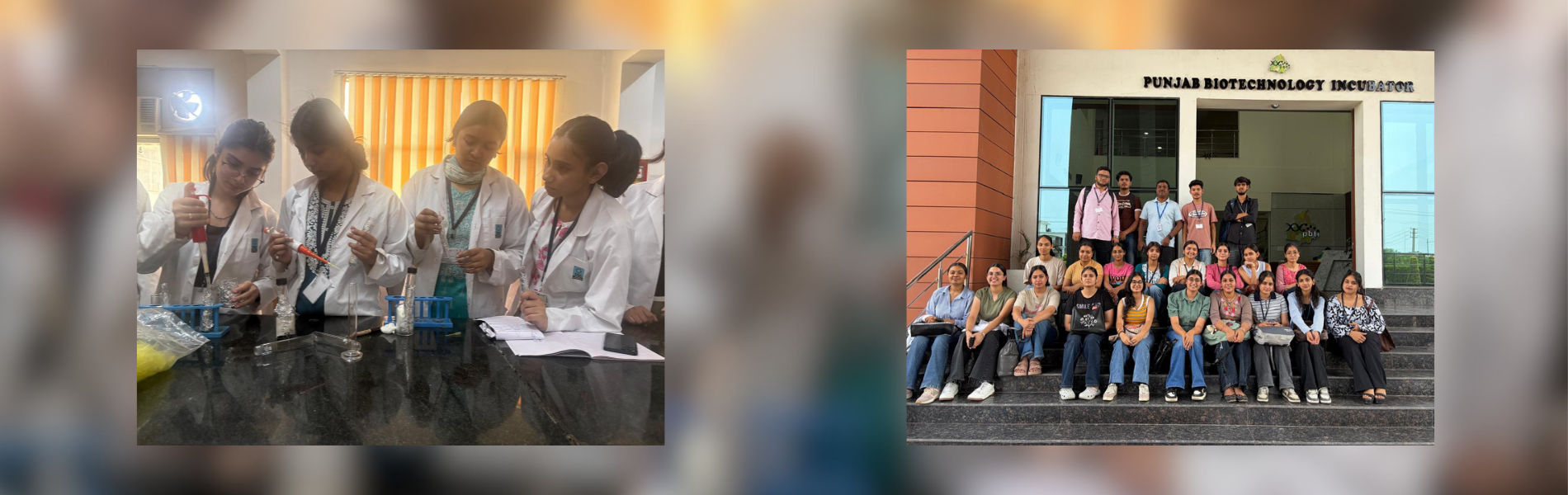
The first phase of the course, conducted at CCT Landran, focused on building strong laboratory and analytical foundations. Participants received practical training in phytochemical extraction, antimicrobial and antioxidant assays, application of artificial intelligence and bioinformatics tools for screening and analysis of bioactive compounds, and data analysis methodologies. The sessions were conducted by faculty members of Biotech department Dr Ranju Rathore, Dr Suksham Pal and Dr Diksha. A special session on Basics of AI and AI Tools was also conducted by Ms Mehak Arora, Manager - Training and Development, SkillStone, Mohali.
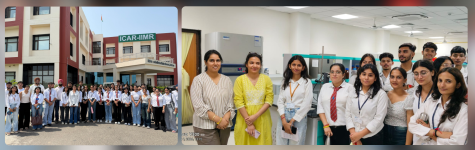
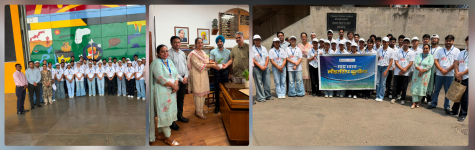
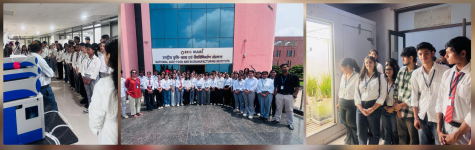
The second phase, hosted at PBTI, Mohali, emphasized industrial practices in food quality testing and regulatory compliance. Participants visited the institute’s state-of-the-art Food Testing, Environmental Testing, Water and Soil Testing, and Analytical Laboratories. They gained hands-on exposure to Good Manufacturing Practices (GMP), Good Laboratory Practices (GLP), HACCP principles, FSSAI regulations, food labeling requirements, microbiological testing, and advanced analytical techniques employed in food quality assessment and safety evaluation.
The course provided a valuable platform for students to strengthen their understanding of food analysis, quality control systems, and regulatory standards while gaining first-hand exposure to industrial and research environments. The programme concluded with student assessments, technical presentations, and feedback sessions, reflecting its success in bridging the gap between academic learning and industry expectations.